NASA HUNCH
NASA HUNCH (High Schools United with NASA to Create Hardware) is a nationally recognized workforce development program with a 24-year legacy of preparing the next generation of innovators and leaders.
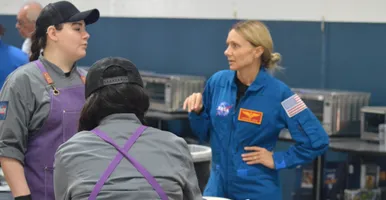
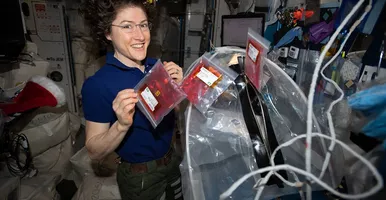
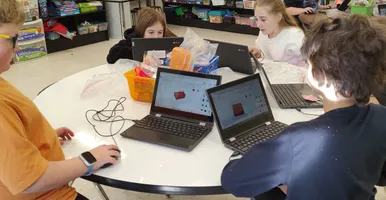
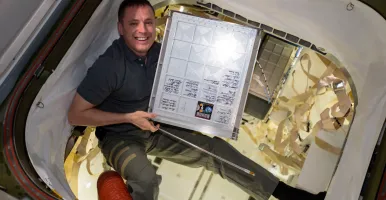
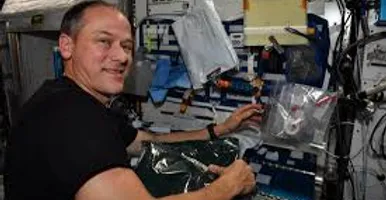
Through immersive Workforce project-based learning, high school students gain hands-on experience by designing and fabricating real-world products that are valued and utilized by NASA engineers and astronauts.
NASA HUNCH empowers students to develop essential 21st-century skills—such as critical thinking, collaboration, and technical expertise—by tackling authentic challenges sourced directly from NASA’s ongoing missions.
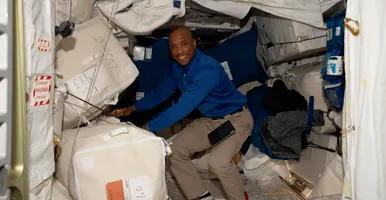
Students work side-by-side with NASA professionals, contributing to solutions for the International Space Station (ISS) and supporting NASA’s bold Moon to Mars Initiative, ensuring their work has a direct impact on the future of space exploration.
With a strong historical link to the ISS and a forward-looking focus on Artemis and Moon to Mars, NASA HUNCH offers students a unique opportunity to launch their careers while making meaningful contributions to NASA’s most ambitious projects.
Over more than two decades, NASA HUNCH has inspired Tens (10) of thousands of students nationwide, transforming classrooms into launchpads for tomorrow’s workforce and fueling the dreams of those who will shape humanity’s future in space.